

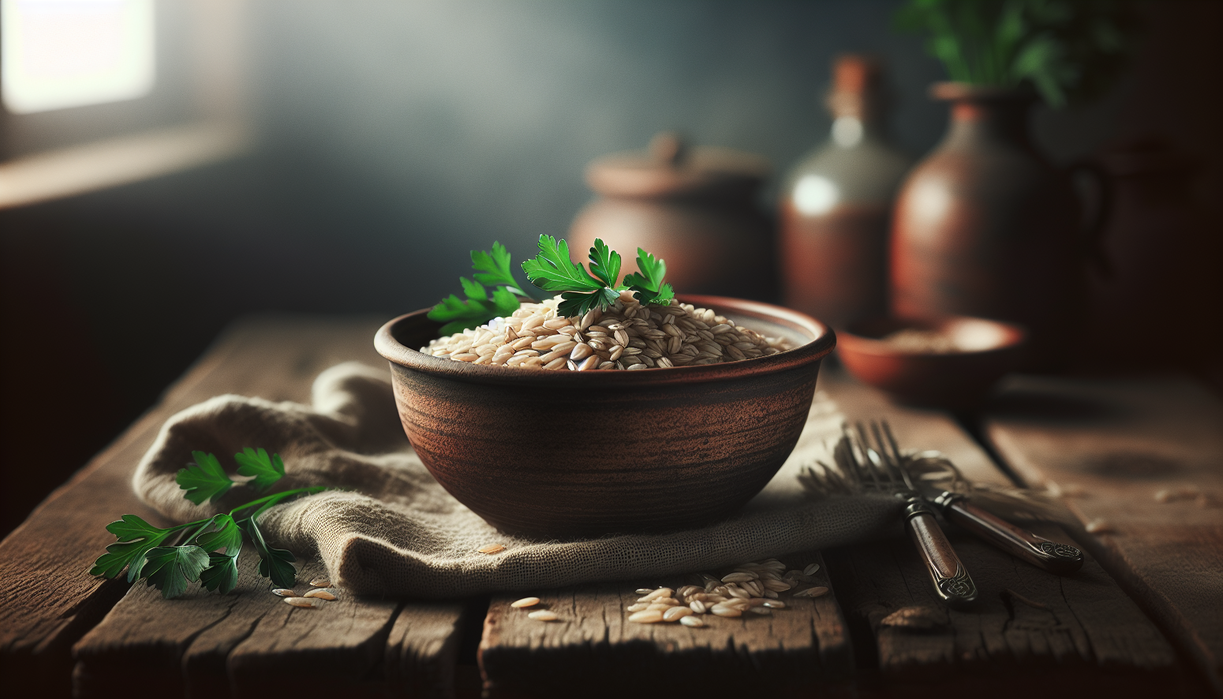
Barley in Context: A Cozy Whole-Grain Reset
www.insiteatlanta.com – Every January, I zoom out to see food choices in context. Instead of chasing extreme diets, I look at small shifts that quietly reshape daily habits. One powerful move replaces refined carbohydrates like white rice or regular pasta with hearty whole grains. Barley stands out here, offering comforting texture, deep flavor, steady energy, plus a strong nutrient profile. This simple swap respects cravings for warm, satisfying meals, yet supports long-term health goals.
When we frame barley in context of a winter reset, it becomes more than a side dish. It turns into a tool for balance, a bridge between pleasure and wellness. Each bowl delivers fiber, vitamins, minerals, slow-digesting carbohydrates. Those elements collectively help you feel full, steady blood sugar, support digestion. Instead of restriction, barley invites you to upgrade classic comfort food with a wholesome twist.
Why Context Matters for Your Carbohydrates
Nutrition advice often isolates single foods, then labels them good or bad. Real life does not work that way. Context shapes everything: time of year, stress level, movement, culture, personal taste. Refined carbs may fit special occasions, yet lose appeal when they become an everyday default. By seeing them in context of your entire week, it becomes easier to nudge some servings toward whole grains like barley.
Placing barley in context of your current routine reveals its strengths. Compare a fluffy bowl of pearled barley to plain white rice. Texture feels pleasantly chewy, flavor slightly nutty, satisfaction longer lasting. You still get comfort from a warm bowl, though now wrapped around fiber, B vitamins, minerals. That contrast grows clear when you notice how long you stay full after each option.
Context also includes emotional needs around food. Many people lean on refined carbs for quick comfort. I understand that instinct, especially through cold, dark months. Instead of removing that comfort, barley offers a kinder compromise. You keep familiar dishes like soups, stews, grain bowls yet upgrade their foundation. That shift respects your mood while slowly steering your plate toward better nutrition.
Barley’s Nutritional Power: More Than Just Filler
Viewed outside context, barley looks like any other beige grain. Look closer, though, and its nutrient density stands out. It contains generous fiber, including beta-glucan, a soluble type known for supporting heart health. That fiber slows digestion, tempers blood sugar spikes, contributes to a more even energy curve. Protein content, while not sky-high, still supports satiety alongside slower-burning carbohydrates.
Minerals play a quiet yet vital role here. Barley supplies magnesium, selenium, phosphorus, plus several B vitamins. Magnesium supports nerve function and muscle relaxation. Selenium works as an antioxidant ally. B vitamins take part in energy metabolism, helping your body convert food into usable fuel. These details matter when you view meals in context of overall health, not just calories.
Importantly, barley’s fiber benefits digestion. Many modern plates lack enough roughage, especially when refined breads, pastries, pastas dominate. Barley helps address that gap. Higher fiber intake links to smoother digestion, stronger gut microbiome diversity, possibly lower risk for certain chronic conditions. Again, context counts: a single bowl will not transform everything, yet repeated over months, that bowl becomes part of a healthier baseline.
Practical Ways to Use Barley in Everyday Context
Simple Swaps for a January Reset
Instead of overhauling your entire pantry, consider where barley naturally fits. Use it as a one-to-one stand-in for rice under stir-fries or roasted vegetables. Stir cooked barley through hearty salads for extra chew and staying power. Drop a handful into soups as a pasta replacement. Those moves keep recipes familiar while tilting the nutritional context toward more fiber, more texture, more satisfaction.
On cold evenings, barley shines in stews. Its grains slowly swell, absorbing broth plus aromatics, creating a rich, velvety base. Think mushroom barley soup, or a vegetable stew where barley carries carrots, celery, greens. Compared to refined noodles, barley keeps you full longer, so late-night snacking pressure often softens. That outcome fits perfectly with a gentle January reset, rather than a rigid challenge.
Breakfast offers another useful context. Cook barley ahead, then reheat with milk or a dairy-free alternative. Add cinnamon, a drizzle of honey, chopped nuts, frozen berries. You get cozy porridge energy, yet with slower digestion than many boxed cereals. For busy mornings, portion barley into containers on Sunday, then vary toppings through the week. This turns one pot of grain into several tailored meals.
Understanding Types of Barley in Context
Not all barley looks or behaves the same. Hulled barley retains more of its bran layer, so carries extra fiber and nutrients. It takes longer to cook, yet offers a stronger whole-grain experience. Pearled barley cooks faster, has some bran removed, still provides respectable nutrition. When you place them in context of schedule and preferences, each has a role.
For weeknights, pearled barley might fit better due to shorter simmer time. Toss it into a quick soup when you arrive home late. For weekends, hulled barley rewards patient cooking with deeper chew plus slightly higher fiber. You might prepare a large batch, then freeze portions. That strategy places the effort where it hurts least, then reaps rewards during hectic days.
Instant or quick-cooking barley products exist too. They sit lower on the whole-grain spectrum, yet may still beat many refined sides in context of real-life constraints. If instant barley stops you from grabbing fast food, it has value. I prefer to see these options along a spectrum rather than through a strict good-or-bad lens. Progress, not perfection, steers sustainable change.
Balancing Barley with Protein and Vegetables
Barley shines brightest when part of a complete plate. Picture a bowl: one-third barley, one-third colorful vegetables, one-third protein. That might be roasted salmon, chickpeas, tofu, or leftover chicken. This mix transforms barley from simple starch to central player in a nourishing, well-rounded meal. Context again directs the scene: consider hunger level, activity, personal taste, then adjust each portion.
Add healthy fats for flavor plus satiety. A splash of olive oil over warm barley, a spoonful of pesto, a sprinkle of seeds helps extend fullness. Fiber from barley partners beautifully with these fats, leading to slow, steady digestion. Compared with a lonely plate of plain white pasta, this combination changes the entire metabolic context of dinner.
I like to think of barley as the reliable friend supporting stronger habits. Not flashy, not trendy, yet consistent. Pair it with whatever seasonal produce you have: winter squash, leeks, kale, spring asparagus, summer tomatoes. Each season adds a new context for barley’s role, so it never feels repetitive, only familiar in a comforting way.
My Personal Take on Barley in a Modern Food Context
From my perspective, barley represents a quiet rebellion against quick-fix nutrition thinking. It refuses to be a miracle food, instead playing the long game through fiber, texture, subtle flavor. In context of highly processed snacks and ultra-sweet drinks, this humble grain feels almost radical. Each time you choose barley over a refined option, you vote for steadier energy, calmer appetite, deeper nourishment. Over weeks and months, those votes accumulate into a new normal. That, to me, is the heart of a January reset: not punishment, but realignment, one warm bowl at a time.