
Cooking Your Way to Everyday Success
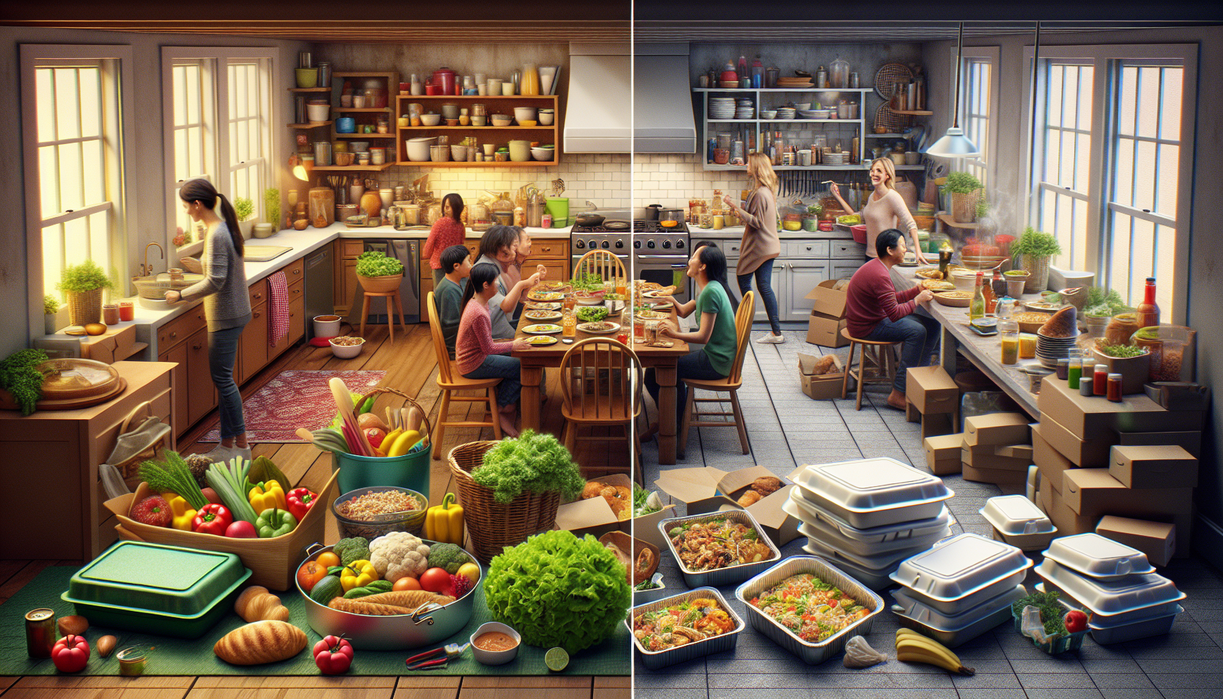
www.insiteatlanta.com – Cooking sounds simple in theory: buy groceries, follow a recipe, enjoy a homemade meal. Reality often tells a different story. After a long workday, energy drops, motivation fades, and that ambitious menu plan quietly disappears. The fridge fills with forgotten vegetables, takeout apps glow on our phones, and another week slips by with more deliveries than dinners from our own stove.
Still, cooking at home remains one of the most powerful habits for saving money, improving health, and regaining control over daily life. The challenge is not knowing recipes but building systems that survive busy weeks. With a few smart shifts in mindset and routine, cooking can move from stressful chore to reliable anchor for both wallet and well‑being.
Why Cooking Beats Constant Takeout
Ordering food feels effortless. A few taps, a short wait, and dinner appears. Yet that easy choice often comes with hidden costs. Cooking at home consistently reduces spending, especially when compared with frequent takeout lunches and late‑night delivery. Groceries stretch across many meals, while a single order usually feeds you once. Over a month, that difference can rival a utility bill.
Health plays an even bigger role. Cooking in your own kitchen lets you decide how much oil, salt, sugar, or cream goes into each dish. Restaurant portions tend to be large, high in calories, and loaded with additives. At home, you control ingredients and adjust recipes to support energy, focus, sleep quality, and long‑term wellness. A simple switch from fried sides to roasted vegetables can change how you feel every afternoon.
There is also a mental benefit. Cooking requires attention, smell, touch, taste, and timing. That sensory focus can become a small daily retreat from screens and notifications. Many people describe chopping vegetables or stirring a simmering pot as a form of moving meditation. It anchors you in the present moment while producing something tangible: a meal that reflects your effort and care.
Why Cooking Plans Collapse Midweek
If cooking offers such clear advantages, why do plans still fall apart by Wednesday? One reason: people often aim too high. They choose complex recipes, buy exotic ingredients, and assume every dinner must look like a food show plate. After a draining day, that level of ambition feels impossible, so the phone comes out, the delivery app opens, and those fresh greens begin their slow journey toward the trash.
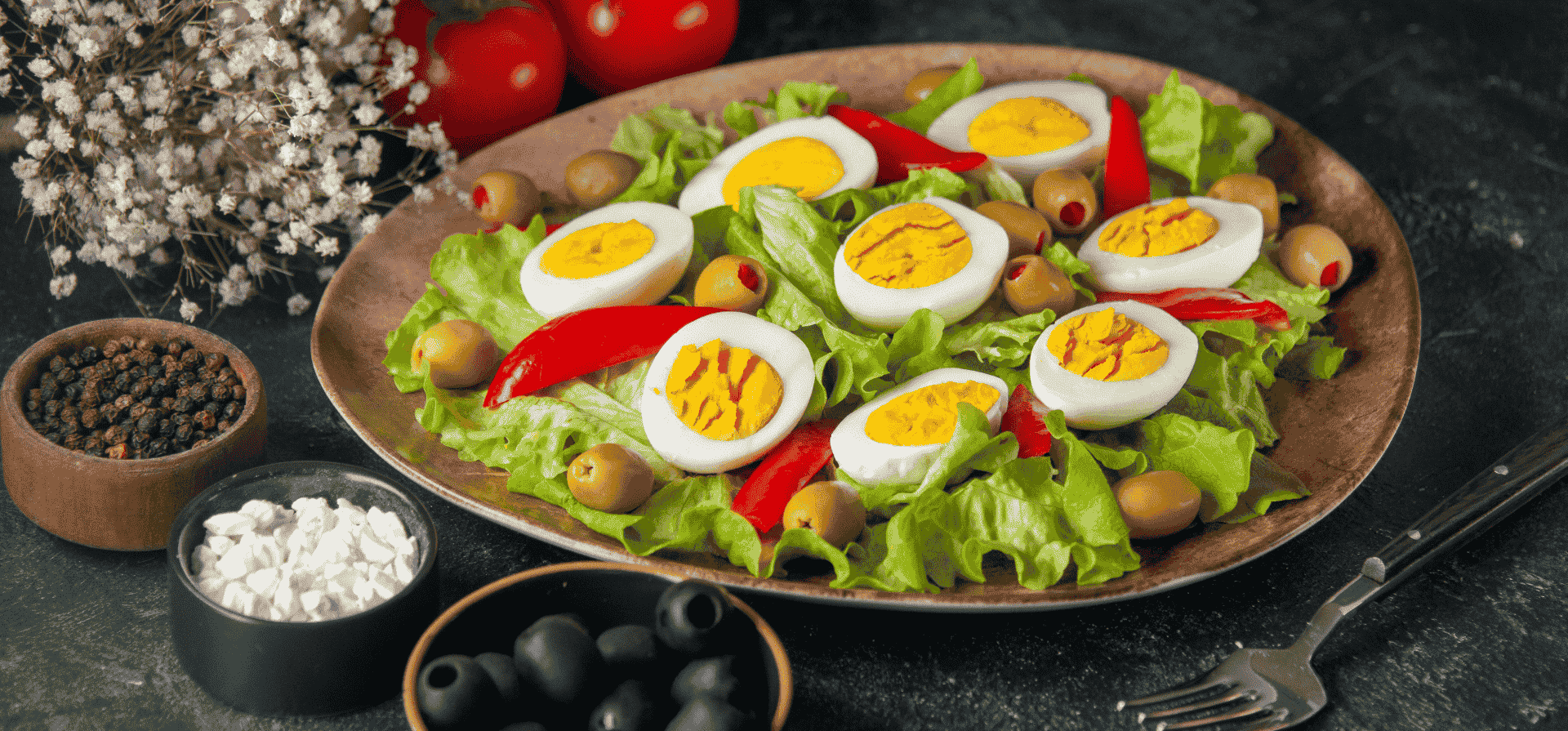
Time perception also sabotages cooking habits. We overestimate how long simple meals take and underestimate delivery delays. Many basic dishes reach the table faster than a driver reaches your door. Scrambled eggs with vegetables, a stir‑fry, or a big salad with beans often need 15 minutes or less. Yet our tired brain insists cooking equals effort while ordering equals rest, even when reality disagrees.
Another quiet villain is decision fatigue. After a full day of choices at work, one more question—“What should I cook?”—feels unbearable. Without a loose plan, we stare at the fridge, feel overwhelmed, then default to the easiest path. Solving this does not require strict meal prep marathons. Instead, it calls for a few small structural decisions earlier in the week that protect your future self from those 7 p.m. doubts.
Simple Systems That Keep You Cooking
Think of cooking as a life system rather than a daily improvisation. Start with a short list of “weeknight heroes”: five to seven meals you can cook almost on autopilot. Examples include vegetable omelets, sheet‑pan chicken with root vegetables, pasta with beans and greens, or rice bowls topped with roasted chickpeas and crunchy slaw. Keep the ingredients for these on regular rotation, prep one or two base items—like a big batch of grains or washed salad leaves—once each week, and store versatile elements such as canned tomatoes, frozen vegetables, and eggs. Personally, I rely on what I call the 10‑minute rule: if I can start cooking within 10 minutes of walking into the kitchen, I am far more likely to follow through. That means knives are sharp, pans are visible, and my future self never has to dig through clutter just to boil water. Over time, this approach transforms cooking from a fragile intention into a dependable habit that supports both budget and body.
The Hidden Economics of Home Cooking
From a financial angle, cooking is one of the highest‑impact daily choices you can make. Consider a modest comparison: a basic takeout meal might cost the equivalent of three or four servings of a similar homemade dish. When you multiply that difference across lunches, dinners, and late‑night snacks, the annual total can rival a vacation fund. Cooking shifts spending from convenience markup toward ingredients that actually nourish you.
Bulk ingredients help even more. A bag of dried beans costs far less than repeated servings from a restaurant menu. Rice, oats, frozen vegetables, and eggs offer impressive nutrition for relatively low prices. With a short session on weekends, you can transform these staples into components for quick weekday meals. Think cooked grains stored in containers, roasted vegetables ready to reheat, and a simple sauce to pull everything together.
There is also the cost of waste. Groceries that rot in the crisper represent lost money as well as lost meals. Planning around flexible recipes—soups, stir‑fries, frittatas—lets you rescue produce before it spoils. In my own kitchen, I treat Friday as “salvage night”, where lonely carrots, half an onion, tired herbs, and leftover grains become a surprisingly satisfying skillet dinner. That ritual cuts waste and turns potential guilt into creative cooking practice.
Time, Energy, and the Real Barriers to Cooking
While budgets influence food choices, time and energy feel just as critical. Many people assume cooking requires elaborate planning or long evenings by the stove. Yet most weeknight meals that actually stick rely on speed and repetition, not artistry. The key lies in recognizing where your energy naturally drops and designing your cooking habit around that reality instead of fighting it.
For example, if you know you collapse after 7 p.m., experiment with earlier prep. Chop vegetables in the morning while coffee brews, or cook a pot of grains during a lunch break. Use appliances that work while you rest: a slow cooker for stews, a rice cooker set to finish when you get home, or an oven sheet pan loaded with vegetables and protein. That way, evening you benefits from the work morning you already completed.
Another underrated obstacle is kitchen friction. Cluttered counters, dull knives, and missing lids quietly increase the effort required to start cooking. A short decluttering session can make a big difference. Keep a cutting board, knife, and preferred pan ready at all times. Store spices somewhere visible. When cooking begins with clear space and reliable tools, the psychological barrier shrinks, and stepping into a recipe feels lighter.
Building a Cooking Identity, Not Just a Habit
Ultimately, long‑term success with home cooking depends less on strict rules and more on identity. Instead of telling yourself, “I should cook more,” try adopting, “I am someone who cooks most of the time.” That subtle shift changes how you respond to busy days. You might still order in occasionally, but it becomes the exception rather than the default. Over months, each simple meal—no matter how humble—reinforces that new story about who you are. Cooking becomes an expression of self‑respect rather than an obligation, a daily vote for health, stability, and creativity. With that mindset, even a quick pan of sautéed vegetables and eggs feels like a small but meaningful act of alignment with the life you want to live.
Personal Lessons From a Busy Kitchen
Spending years balancing deadlines with home cooking has taught me a few humbling lessons. Perfection kills momentum faster than any lack of skill. The nights I insisted on intricate recipes often ended in delivery. The weeks I embraced basic, repeatable meals kept me both fed and calmer. Simplicity supports consistency, especially when weeks become chaotic.
Another lesson: variety does not require constant novelty. Rotating core ingredients with different sauces and seasonings still feels interesting. For instance, roasted vegetables can appear over rice one night, tucked into wraps the next day, then blended into soup on the third. That kind of repetition saves planning energy while still offering different experiences at the table.
Finally, cooking has become a quiet daily check‑in with my own well‑being. When I notice I am ordering out more often, it usually signals something deeper—too little sleep, overwhelming work, or neglected boundaries. Instead of judging myself, I treat that pattern as useful feedback. Rebuilding even one or two home‑cooked meals during those weeks helps restore a sense of control, stability, and care.
Practical Steps to Make Cooking Stick
To anchor cooking in your life, start small rather than grand. Choose one meal slot—maybe weekday dinners or weekend lunches—and commit to cooking most of the time for a month. Prepare a short list of go‑to recipes for that slot only. This narrow focus lowers pressure and lets you troubleshoot without feeling overwhelmed.
Next, assemble a basic pantry that supports fast cooking. Items like pasta, rice, canned beans, frozen vegetables, broth, eggs, and a few spices can become dozens of meals. When fresh produce runs low, that pantry still carries you through a busy stretch. You reduce the temptation to order out “just this once” because something quick and reasonably nutritious is already possible at home.
Lastly, give yourself credit for every small success. A simple stir‑fry counts just as much as a complex roast. Cooking is not about performing for an invisible audience. It is about feeding yourself in a way that reflects your priorities: health, finances, and perhaps a bit of creative joy. Each meal cooked is a quiet vote for the life you want, even if it appears in a chipped bowl at a cluttered table.
A Reflective Recipe for the Future
When you look back years from now, you may not remember specific restaurant orders, but you will recall the smell of your own kitchen, the recipes you perfected, and the quiet pride of feeding yourself well despite a hectic life. Cooking offers far more than full stomachs; it builds resilience, agency, and a daily reminder that you can create comfort with your own hands. The next time your week spirals and the delivery app calls, pause for a moment. Ask what future you would appreciate more: one more plastic container, or ten minutes at the stove turning simple ingredients into proof that you are capable of caring for yourself. In that small, reflective space, the real recipe for success begins.