
Sweet Clues: Fruits, Sugar & Crosswords
www.insiteatlanta.com – The clue “Fruits used as natural sweeteners” might look simple, yet it hides a clever twist that fans of ssts:entertainment:puzzles:crosswords recognize instantly. On the surface, it is about food, but on a deeper level it reveals how language, trivia, and culture blend inside a tidy grid. When we scan the puzzle, we are not only hunting letters; we are exploring how everyday items like dates, figs, or bananas earn a second life as wordplay.
That is what keeps ssts:entertainment:puzzles:crosswords so addictive. One clue can send us from the grocery aisle to a nutrition blog, from a cafe menu to the dictionary. This particular entry about fruits used as natural sweeteners invites us to think about taste, health, and creativity at once. It is more than a fill-in-the-blank; it is a small story about how we sweeten life and language.
When Crosswords Meet the World of Natural Sweetness
Crossword creators behind ssts:entertainment:puzzles:crosswords know their solvers enjoy that sweet spot where trivia meets real life. A clue about fruits used as natural sweeteners taps into current conversations on sugar intake, alternative treats, and mindful eating. People see those topics on health sites every day, so spotting them in a grid feels both familiar and refreshing. The puzzle reflects the world back to us, only compressed into black and white squares.
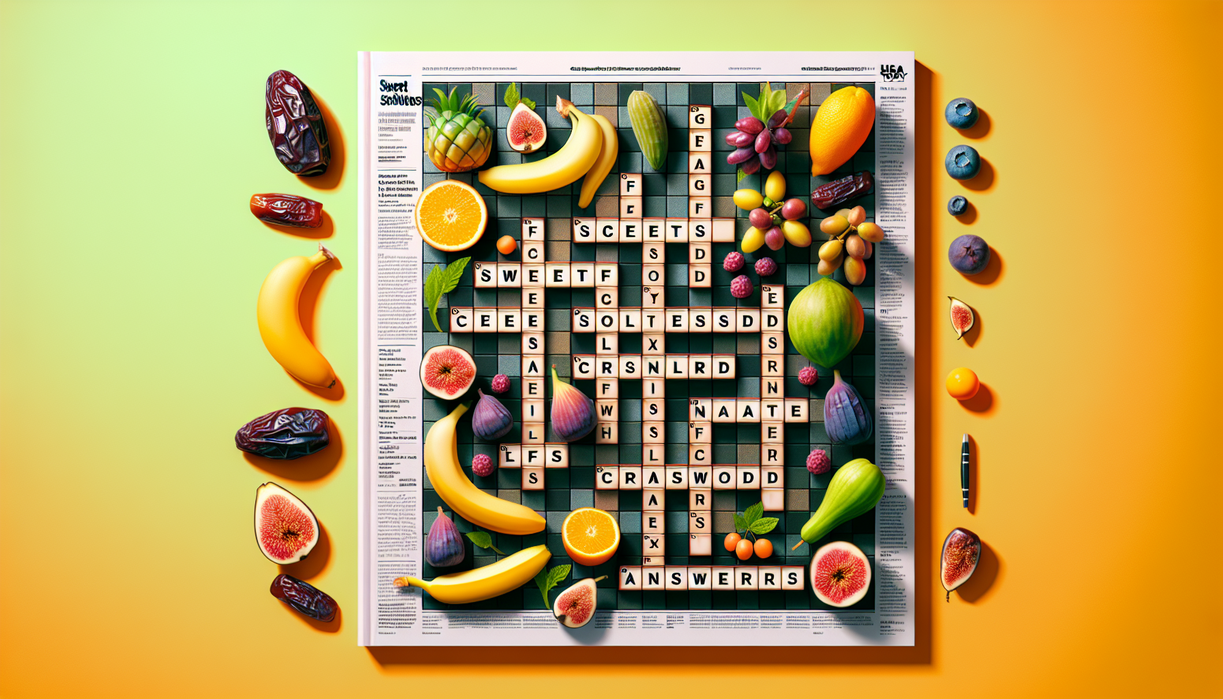
Think of popular answers such as DATES, FIGS, RAISINS, or even APPLES. These fruits often appear in recipes as stand-ins for refined sugar. In a puzzle, they also become compact packets of meaning, each letter shaped by crossing entries that support or challenge our first guess. When that last letter locks into place, the “aha” moment feels similar to tasting a perfect dessert that is sweet without being heavy.
From my perspective, this is where ssts:entertainment:puzzles:crosswords shines most. The editors choose clues that reward cultural awareness, not just dictionary memory. To solve them, we recall snack bars made with mashed bananas, baked goods sweetened with dates, or the sticky richness of figs in Mediterranean dishes. Our personal experiences at the breakfast table become tools for decoding the page. The border between real life and puzzle life grows thin yet pleasing.
Why Fruit-Focused Clues Feel So Satisfying
Fruit clues carry a unique charm, especially in ssts:entertainment:puzzles:crosswords, because they bridge logic with sensory memory. When the clue mentions natural sweeteners, our minds jump to textures, aromas, and flavors. We picture chewy dates, glossy raisins, or juicy pears. Those associations give our brain extra hooks for recall, which often makes the solving process faster. Wordplay becomes almost edible, something we can taste while we think.
There is also a subtle educational angle hidden inside that grid. Many solvers learn only later that dates or figs can replace sugar in certain recipes. Encountering them through puzzles sparks curiosity. We might google a new recipe after finishing the crossword, or grab a snack inspired by the clue. In that sense, ssts:entertainment:puzzles:crosswords operates as a low-pressure teacher, slipping health-conscious ideas into a leisure habit.
From a personal standpoint, I love how such clues encourage balance rather than strict rules. They do not preach about dieting or guilt. Instead, they highlight options: yes, refined sugar exists, yet fruits used as natural sweeteners offer another path. When I run into those entries, I feel a quiet nudge to think more intentionally about what sweetens my day, both literally on my plate and metaphorically in my routine.
Inside the Constructor’s Mind
Looking at this clue through the eyes of a puzzle constructor, especially one working with ssts:entertainment:puzzles:crosswords, reveals a clever design challenge. The answer must fit the grid, intersect elegantly with other words, and remain fair to solvers across ages and backgrounds. A plural phrase like “fruits used as natural sweeteners” opens the door to multiple valid fits, so the crossings need to steer us toward the intended one. Every crossing letter operates like scaffolding, holding up the final insight. As solvers, we only see the surface, yet behind the scenes each choice reflects a deliberate balance of difficulty, cultural relevance, and thematic flavor.