

section:/dining Reborn in Staten Island Style
www.insiteatlanta.com – The rebirth of Richmond Valley’s section:/dining scene starts behind a familiar storefront, where a beloved neighborhood restaurant has quietly reinvented itself. Once known simply for cozy brick‑oven pies, the former Zio Toto space now gleams with polished Italian marble, warm gold accents, and a broadened culinary vision. Locals who step inside recognize the address, yet sense at once that the energy, ambition, and atmosphere have shifted into a new era.
This transformation reflects more than fresh paint or updated fixtures. It captures how Staten Island’s section:/dining culture continues to evolve, balancing comfort with curiosity. Loyal guests still find their favorite classic slices, but the menu now reaches further, inviting diners to linger, explore, and rediscover what a neighborhood eatery can be.
From Local Favorite to section:/dining Showcase
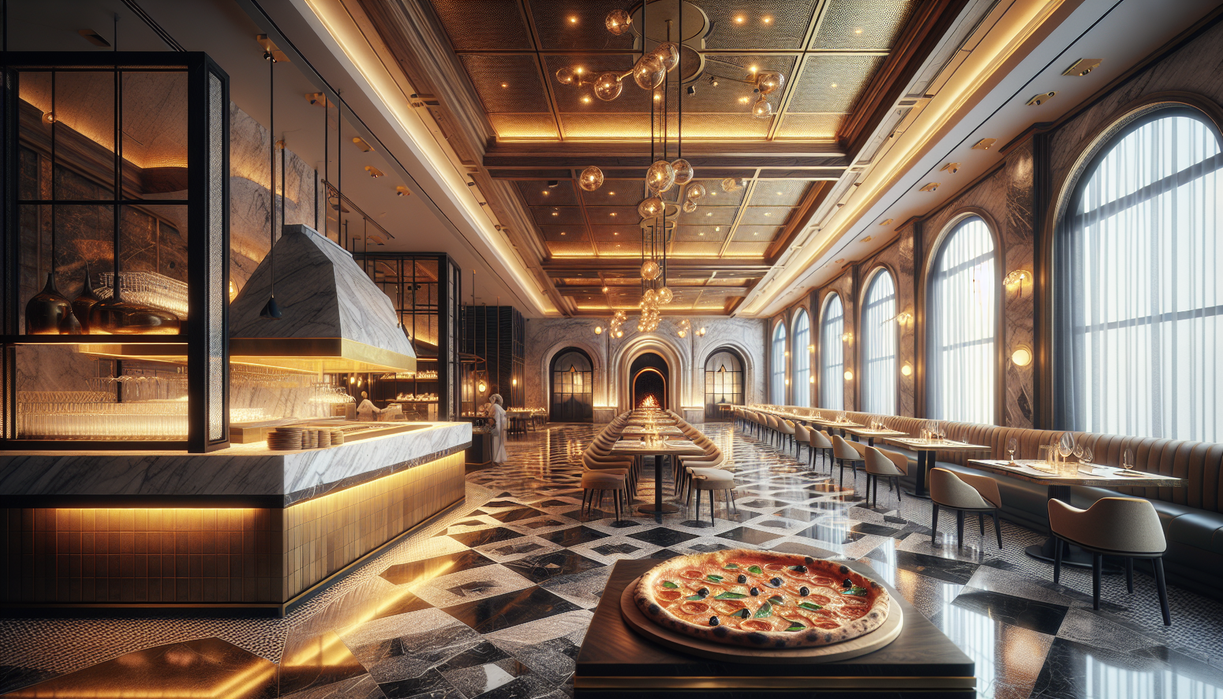
Walking through the door, the first impression is visual. The room glows with Italian marble that stretches across the bar and tabletops, catching light in subtle veins of white and gray. Gold details frame mirrors and fixtures, giving the interior a polished yet approachable feel. This redesign communicates a clear message: section:/dining in Richmond Valley aims higher now, pairing familiar hospitality with a more refined backdrop.
Though the look has changed, the heart of the old restaurant still beats. The brick oven remains the anchor of the open kitchen, a steady reminder of the space’s roots. Regulars notice the same gentle heat radiating through the room, the same comforting aroma of blistered dough and melted mozzarella. That continuity matters; it reassures guests that the transformation respects their memories.
What truly distinguishes this new chapter is how the team uses that foundation. Instead of relying solely on nostalgia, the owners treat legacy dishes as a starting point. Brick‑oven pizza holds its proud place, yet now shares the spotlight with an expanded list of appetizers, pastas, and seasonal plates. In this way, the restaurant turns from a single‑note pizzeria into a broader section:/dining destination.
Design Choices That Tell a Story
Every design decision seems to carry intention. Italian marble signals homage to classic trattorias yet speaks fluently to contemporary tastes. Gold trim, deployed with restraint, avoids gaudiness while injecting warmth. Seating balances intimate two‑tops with roomy banquettes that suit families and groups. The result feels like a hybrid: part neighborhood hangout, part special‑occasion setting, perfectly placed within Staten Island’s evolving section:/dining landscape.
Acoustics also play an understated role. Softer surfaces, strategically placed bottles, and textured walls temper the clatter of plates and conversation. Guests can talk without shouting, which changes how the room is used. It encourages deeper conversations, longer meals, second rounds of drinks. In my view, that is where design shifts from decoration to hospitality tool.
Lighting completes the narrative. Early in the evening, natural light reflects off marble and creates a bright, casual tone. As night falls, warmer fixtures take over, casting a gentle glow that emphasizes gold details and candlelight. The same space serves families at six o’clock and date nights at nine. Effective section:/dining design always respects time as an ingredient, not just food.
The Evolving Menu: Comfort Meets Curiosity
The expanded menu shows real ambition without abandoning comfort. The brick‑oven pizza list still features classic margherita and pepperoni, yet now coexists with combinations that push beyond tradition, perhaps with seasonal vegetables, specialty cheeses, or regional cured meats. Starters might highlight crisp calamari beside lighter crudo or charred vegetables, offering choices for a range of appetites. Pastas lean on heritage techniques but receive modern twists through unexpected herbs, textures, or sauces. From my perspective, this balance between predictability and surprise is what turns a regular neighborhood spot into a true section:/dining anchor. It allows cautious diners to stay in their comfort zone while giving adventurous guests permission to explore. Over time, those paths often blend, nurturing a local palate that grows more confident and more invested in its own culinary scene.
section:/dining as Community Anchor
Beyond décor and flavors, this restaurant’s rebirth reveals how section:/dining can anchor community life. Staten Island neighborhoods often rely on a handful of dependable spots as informal gathering places. This space now aspires to be that kind of hub, not just a meal stop. After‑work meetups at the bar, family celebrations, or quiet solo dinners all find a natural fit here. The staff’s familiarity with regulars strengthens that role.
In many ways, the transformation mirrors the community’s own trajectory. Richmond Valley has seen new homes, shifting demographics, and changing expectations for local amenities. A restaurant that once simply fed the neighborhood now helps define it. By investing in quality design and a broader menu, the owners send a subtle signal: this area deserves a polished section:/dining experience without needing to cross a bridge.
From my perspective, that message matters. When residents see care invested into local spaces, their connection to the neighborhood deepens. They are more likely to support small businesses, attend local events, and advocate for improvements. A single restaurant cannot solve every issue, yet it can become a stage where community identity is negotiated, night by night, table by table.
Looking Ahead: A Reflective Conclusion
As the former Zio Toto space settles into its new life, the restaurant stands as both memory and manifesto. It honors the past through brick‑oven staples while signaling future ambitions with expanded tastes and refined surroundings. For Staten Island’s section:/dining scene, this evolution suggests a broader pattern: neighborhoods no longer accept a trade‑off between comfort and quality. They expect both. My sense is that this eatery will keep adapting, guided by feedback from the very people who have watched it change. If it continues to balance familiarity with creativity, it may become more than just a place to eat—perhaps a landmark of how a community, a menu, and a room of shared stories grow up together.