
The Secret Features of Fluffy Soufflé Pancakes
www.insiteatlanta.com – Some foods capture the imagination not just through flavor but through their distinctive features. Japanese soufflé pancakes belong in that rare category. Their towering height, soft wobble, and cloud-light texture feel almost impossible, as if they defy gravity. When I first met these pancakes in a small Tokyo café, I was convinced there had to be magic hidden in the batter. Every forkful vanished on my tongue like sweet, warm air.
Back home, I chased those features with almost comical determination. I sourced tall metal rings, experimented with heat levels, and watched countless videos in slow motion. My pancakes rose, yes, yet never quite reached that dreamy, jiggly perfection. Through many failures, I realized this dish is not only about technique. It also reflects culture, patience, and an almost philosophical respect for detail.
The Irresistible Features of Soufflé Pancakes
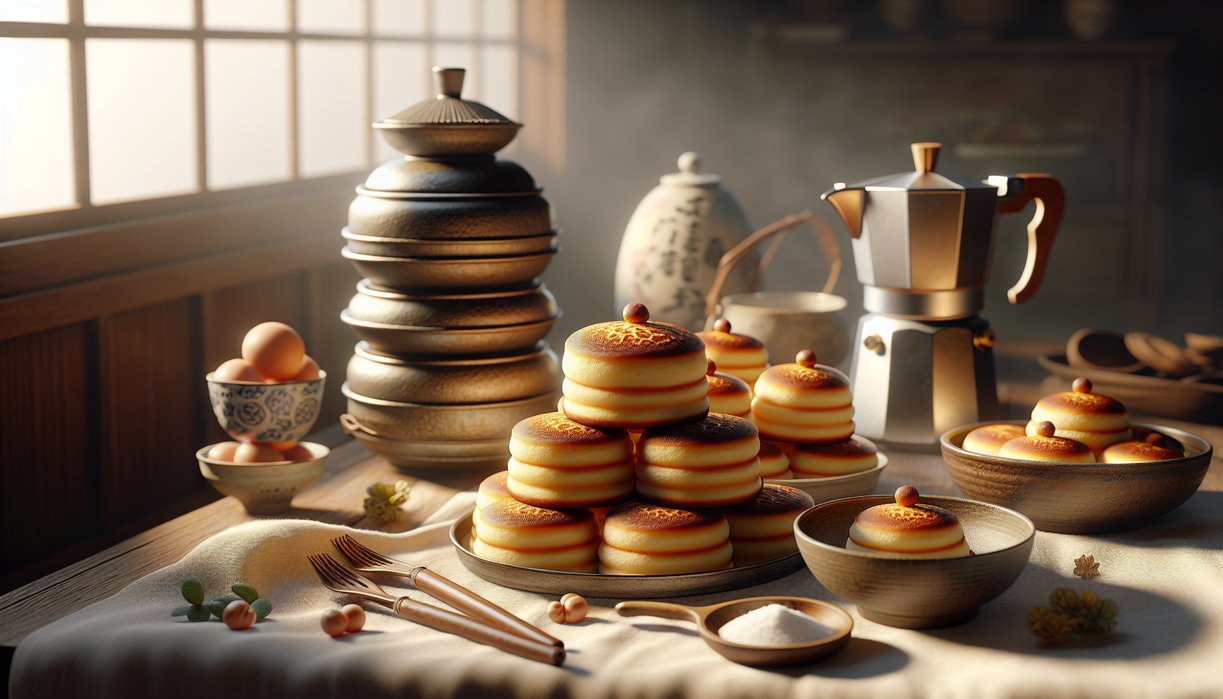
Look closely at a plate of Japanese soufflé pancakes and their features tell a story before the first bite. They stand high above the plate, often stacked like tiny cushions of steam. Light from a nearby window glides across their surface, which should look slightly glossy, never dry. When you shake the plate, they tremble with a delicate quiver that hints at an interior softer than any standard hotcake.
These features come from a hybrid identity that blends classic pancake comfort with whisper-light soufflé technique. Traditional pancakes focus on a hearty crumb, ready for heavy toppings. Soufflé pancakes chase air. Every element, from mixing method to cooking time, worships one goal: trapping as much air as possible. That mission changes how the batter behaves, how it cooks, and ultimately how it feels between your teeth.
There is also a visual drama to these features that explains their popularity on social media. Videos of pancakes jiggling in slow motion transform breakfast into performance art. Yet beyond the spectacle, subtle details matter most. A proper soufflé pancake should barely resist the fork. Its interior must look like gently set custard rather than bread. When those conditions meet, it becomes clear why people travel across cities just to experience that first melting bite.
Breaking Down the Science and Features
To understand why those features are so hard to copy, it helps to look beneath the surface. The star of the show is egg white foam. Beaten slowly to glossy peaks, it traps countless air bubbles. Sugar stabilizes this structure, helping bubbles survive the heat. Folded into a rich yet balanced base, this foam turns simple ingredients into a fluffy architecture. Each bubble expands on the griddle, lifting the pancake higher.
Another key feature hides in the batter’s rhythm. Overmixing collapses the foam, while underfolding leaves streaks of egg white that cook unevenly. The ideal batter looks thick but airy, almost like marshmallow cloud. When spooned into a ring mold, it must hold shape without spilling sideways. This tension between stability and softness defines the experience. It is a fragile balance, which explains why the tiniest misstep leaves pancakes flat or rubbery.
Heat control may be the least glamorous feature yet possibly the most decisive. The pan must stay low enough to cook the interior before the underside burns. Many cafés cover the griddle with a lid, trapping steam that helps the batter rise. Time stretches far beyond normal pancakes; some versions sit on the pan for 15 to 20 minutes. That slow, steady cooking grants the interior its custard-like softness, a texture impossible at higher heat.
My Kitchen Experiments and Honest Lessons
My own attempts to recreate these features began with optimism and ended with humility, at least at first. I carefully separated eggs, whipped whites to shiny peaks, and folded them ever so gently. I greased my metal molds, filled them high, and watched anxiously as they cooked. Everything looked promising until I flipped them. Many collapsed into squat disks, still tasty but lacking that cloud appeal. Over time, patterns emerged: when I rushed the beating process, the structure failed. When I cranked the heat higher to save time, the bottom scorched while the center stayed wet. Through these setbacks, I started respecting the quiet discipline built into this dessert. Japanese cooking often reveals itself through modest dishes that demand precision. Soufflé pancakes highlight that truth. Their signature features are not the product of secret ingredients, but of attention, restraint, and a willingness to let time do its work. Each imperfect batch nudged me closer to understanding that the real recipe includes patience as a central ingredient.
Tools, Techniques, and Signature Features
Many people assume that metal molds alone create the trademark features. Molds help, however they act more like supportive scaffolding than magic tools. The real magic starts long before batter reaches the pan. Serious cafés measure ingredients with scale-level accuracy, because even minor changes affect structure. For home cooks, paying attention to texture at each stage often matters more than chasing a perfect written ratio.
One underrated feature is the batter’s temperature. Cold eggs whip differently from room-temperature ones. Melted butter that cools too much can seize when mixed with milk, forming tiny lumps that interfere with smooth folding. Professional kitchens often maintain a steady environment, while home spaces fluctuate with weather and oven use. I learned to let eggs warm on the counter and to mix wet ingredients just before combining, to keep the batter fluid yet stable.
Toppings and accompaniments also shape the final features. Heavy sauces can crush the delicate stack, so many Japanese cafés choose light cream, powdered sugar, or fruit. These toppings highlight the texture instead of hiding it. When I drowned one trial batch in thick syrup, the pancakes sagged almost immediately. I realized the topping should feel like a supporting actor, not the main character. The star remains the gentle bounce and tender crumb at the heart of each pancake.
Cultural Context Behind the Features
The distinctive features of soufflé pancakes make more sense when placed in Japanese culinary culture. Japan has a long history of reinterpreting foreign dishes with meticulous care. Curry, cheesecake, and even fried chicken gained new identities there. Pancakes followed the same path. Influenced by Western soufflés and classic hotcakes, Japanese bakers pursued higher, softer, more photogenic versions. Their efforts mirrored a broader national fascination with precision and refinement.
These pancakes also respond to a cultural fondness for cuteness and visual charm. Food in Japan often arrives as a complete aesthetic experience. Cafés plate soufflé pancakes with tiny pitchers of syrup, miniature flags, or artful dustings of sugar. These small features kindle delight before any tasting begins. Eating becomes an event, not a routine. That philosophy reshaped my own cooking. Instead of racing through breakfast, I learned to slow down and consider how each element might evoke pleasure.
There is another layer: the social experience of waiting. Popular pancake cafés often involve long lines, yet few people complain. Anticipation becomes part of the ritual. Staff make each order fresh, accepting that the features require time. This patience contrasts sharply with fast-food culture elsewhere. Standing in those lines taught me that some textures simply cannot be rushed. Recreating them at home means embracing slowness, not merely copying steps.
Why These Features Keep Me Fascinated
Even after many attempts, my pancakes still do not fully match the originals I tasted in Japan, yet I no longer see that as failure. Instead, I see my version as a conversation with the dish. Each batch reflects my kitchen, my tools, my mood that day. The core features remain my guiding stars: height without heaviness, a tender interior, and a little jiggle that sparks childlike joy. Along the way, I discovered a deeper truth. These pancakes show how small, deliberate choices create extraordinary results. They remind me that cooking can be both science and meditation, where attention transforms familiar ingredients. When a pancake rises just right, even once, it proves that care leaves visible traces on the plate.
Reflecting on Features, Failure, and Joy
In the end, Japanese soufflé pancakes taught me more than a special breakfast trick. They revealed how features like texture, height, and movement can convey emotion. A simple wobble on a plate can make adults grin like children. Chasing that sensation brought many messy pans and late-night experiments, yet those struggles etched the lesson more deeply. Food memories rarely spring from perfection alone. They grow from stories, mishaps, and shared laughs over lopsided stacks.
I now accept that my home version carries its own charm. It may not tower quite as high, but it holds the imprint of my efforts. The first time a friend sliced through one and paused, wide-eyed, at the soft center, I realized I had finally captured part of the magic. Maybe not all the features, yet enough to spark delight. That small reaction outweighed every sunken attempt that came before.
When I think back to that Tokyo café, I remember not only the plate in front of me but also the quiet diligence humming behind the counter. Soufflé pancakes are proof that features emerge from values: patience, care, curiosity. As I continue refining my recipe, I treat each new batch as another chance to practice those values. Perhaps that is the real gift of this dish. It invites us to pursue beauty through small, steady acts, then rewards us with something that feels as light as a cloud yet lingers long after the last bite.