

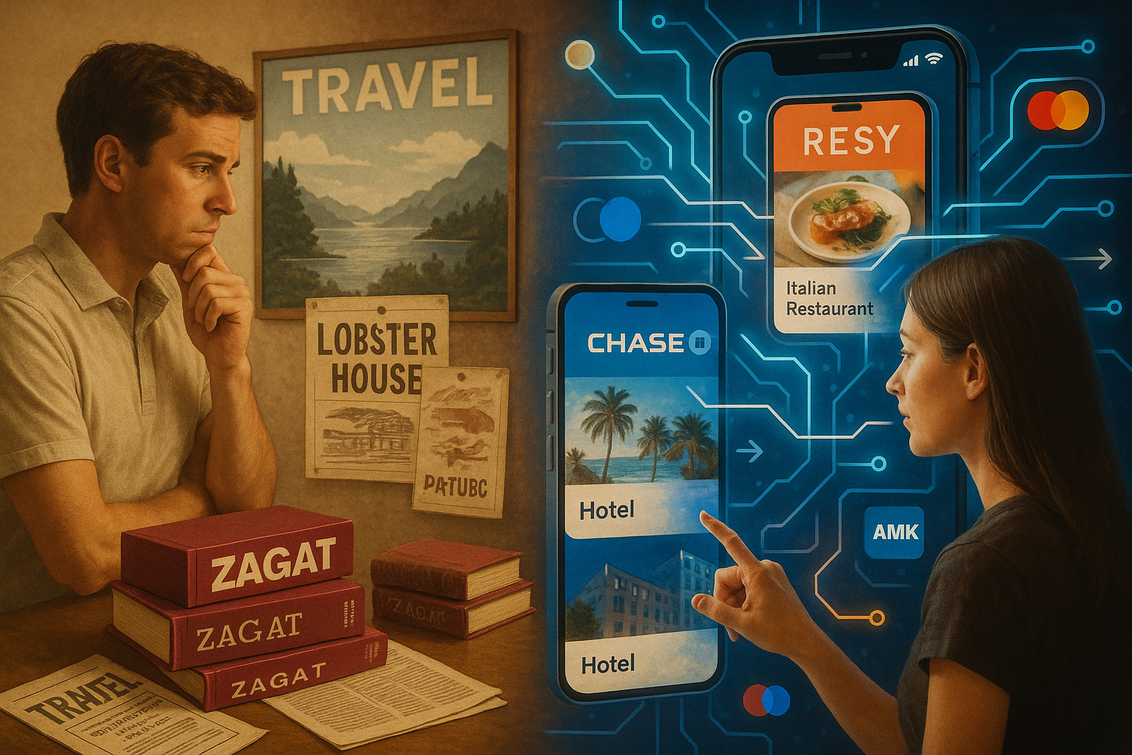
How Hidden Content Now Chooses For You
www.insiteatlanta.com – Content once meant glossy brochures, paper maps, and thick guidebooks. You flipped pages, circled places, then chose a restaurant or hotel. Today, content hides in tiny screens, payment perks, and curated feeds. It tracks habits, predicts cravings, and quietly directs where you eat, stay, and spend money.
This invisible content does more than suggest options. It narrows what you ever see, based on algorithms, partnerships, and rewards. When you tap a card benefit, follow a list on an app, or trust a creator’s post, you let hidden content steer real‑world choices. The question is no longer whether content influences you, but how much control you still keep.
The Silent Power Of Curated Content
Look at your last trip or dinner out. You probably did not open a printed guide. Instead, you scanned content on your phone. Maybe a card portal promised extra points for a featured hotel. Maybe a map app pushed three “top rated” restaurants near you. That content shaped your shortlist before you even noticed other options nearby.
This shift matters because curated content compresses a huge world into a tiny set of choices. Algorithms highlight places with strong engagement or strategic deals. Brands invest to appear in those prime spots. Smaller restaurants and independent hotels that do not feed this content machine remain almost invisible. Your city may feel rich with options, yet your screen tells a much narrower story.
From my perspective, the most striking change is psychological. People trust sleek content more than their own curiosity. If an app labels a restaurant as a “must try,” we treat that as neutral truth. In reality, this content is built on messy data, biased reviews, and financial incentives. The hidden hand is not evil, but it is far from objective.
How Cards, Apps, And Content Now Steer Spending
Think about payment cards. They used to sit quietly in wallets. Now, reward portals are content platforms tied to those cards. You see glossy images of partner hotels, bundled experiences, and seasonal offers. That content directs spending toward brands inside the ecosystem. Your loyalty grows not from deep conviction but from constant exposure and bonus points.
Travel and restaurant apps work almost the same way. They offer filters, star ratings, and curated collections. Every tile, badge, and banner is content. The most visible places win attention first. Many users never scroll far because the interface nudges them to pick from that first screen. It feels like freedom of choice, yet the content layout preselects winners.
Social feeds add another layer. Travel creators, food bloggers, and lifestyle influencers flood your day with visual content. A rooftop bar appears in ten reels in a week, so it starts to feel iconic, even if locals rarely go there. I see this especially in cities built on tourism. Content from a few popular spots overwhelms quieter, authentic venues. Attention clusters around what looks good on camera, not always what feels meaningful in person.
Living Intentionally In A Content‑Driven World
We cannot escape this landscape, yet we can navigate it with more intention. Instead of rejecting content, treat it as one input among many. Use card perks, curated lists, and creator posts as starting points, not final answers. Ask people on the ground, walk an extra block off the main strip, or try one place not trending in your feed. I personally make a rule on each trip: one pick from algorithmic content, one from a local recommendation, and one discovered by wandering. That small habit restores balance. The invisible hands still exist, but your own judgment returns to the center. In a world saturated with content, conscious choice becomes the rarest experience of all.