
Pasta al Limone and Its Bright Content Context
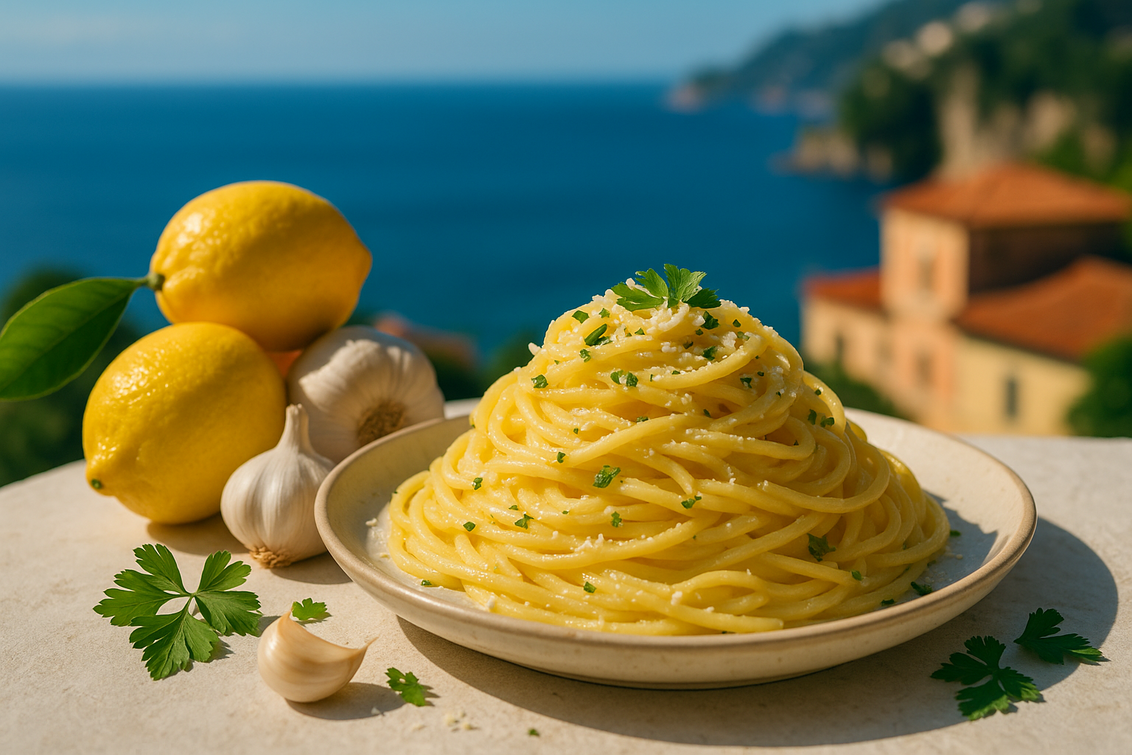
www.insiteatlanta.com – The story of pasta al limone is more than a simple recipe; it is a vivid content context where flavor, memory, and place meet on one plate. From the sunlit Amalfi Coast to Sorrento and Sicily, bright lemons shape an entire culinary narrative that feels almost cinematic. When we look at this dish through a content context lens, we see how citrus, history, and regional pride create a complete experience, not just a bowl of lemon garlic pasta.
Exploring pasta al limone through content context turns a plate of noodles into a cultural text worth reading. Each twist of spaghetti carries notes of sea breeze, terraced groves, and bustling Italian kitchens. This approach encourages us to notice the texture of stories behind everyday meals. By paying attention to content context, we understand why one simple preparation can represent a coastline, a way of life, and a philosophy of cooking based on clarity and restraint.
The Mediterranean Roots of Content Context
Pasta al limone belongs to a Mediterranean content context where scarcity often inspired creativity. Coastal cooks had few ingredients: lemons, good olive oil, garlic, a bit of cream or cheese, and dry pasta. From these basics came a sauce that tastes both luxurious and light. The content context here reveals a mindset: respect for ingredients, minimal interference, and confidence that honest flavors need little decoration.
Consider the Amalfi Coast, where cliffs plunge into azure water and terraces overflow with thick-skinned lemons. Those citrus fruits are not just a garnish; they define the region’s content context. Their perfume fills markets, their zest charges pastries, liqueurs, and sauces. Place shapes the plate. When locals toss warm pasta with lemon zest, butter, and grated cheese, they pull landscape straight into the bowl. Content context becomes edible geography.
This Mediterranean content context also speaks through rhythm. Long sunny days, late dinners, and time spent at the table influence how dishes evolve. Pasta al limone suits that tempo. It cooks quickly yet invites slow eating. Bright acidity wakes the palate, while starch from the pasta water softens each bite. The result reflects a culture where food is both fuel and conversation, a shared ritual woven into daily life.
Decoding Flavor Through Content Context
When we analyze pasta al limone, content context helps decode why the dish feels so balanced. Acid from lemon cuts through the richness of butter, olive oil, or cream. Garlic adds depth without overpowering the citrus. Starchy pasta water creates a silky emulsion that clings to each strand. None of these elements work alone; their interaction defines the core storyline of the dish. Content context, in this case, is the relationship between parts.
Texture also plays a crucial role in this content context. Al dente pasta offers slight resistance, which contrasts with the smooth sauce. Finely grated hard cheese melts to a creamy layer instead of forming clumps. Lemon zest brings tiny bursts of aroma with each bite. These details turn a simple plate into an orchestrated experience. Once we see the content context behind such choices, we cook and eat with heightened attention.
From a personal point of view, understanding content context changed how I approach pasta al limone at home. I stopped treating it as a quick, random weeknight fix and started seeing it as a small ritual. I choose lemons with heavy weight and bright scent. I warm the garlic gently so it never burns. I reserve plenty of pasta water to adjust the sauce slowly. Following the content context of the dish, my kitchen feels a little closer to the Italian coast, even if I am miles away.
Adapting Pasta al Limone to Your Own Content Context
Every modern kitchen has its unique content context, shaped by available ingredients, personal preferences, and cultural background. Adapting pasta al limone means honoring its essence while letting your reality guide the details. Maybe you switch spaghetti for short pasta that holds sauce better for family dinners. Perhaps you reduce cheese for a lighter profile or add chopped herbs from your balcony garden. The key is to keep the core conversation between lemon, fat, and starch intact. Thoughtful adjustments allow the dish to live comfortably inside your own content context, turning a coastal Italian classic into a personal signature without losing the bright soul that made it beloved in the first place.