

Content Context: Mac & Cheese Waffle Magic
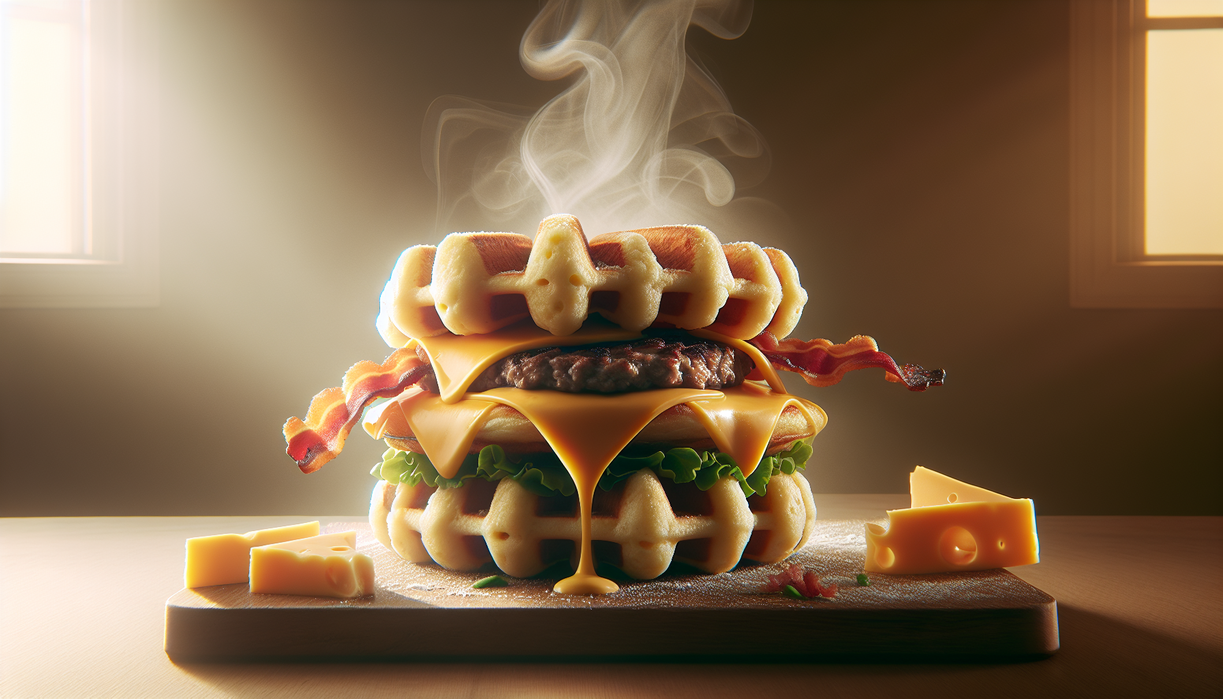
www.insiteatlanta.com – In the right content context, a wild food idea can jump from gimmick to must‑try legend. That is exactly what’s happening at a Massachusetts restaurant turning hardened skeptics into loyal fans with a sandwich that looks impossible on paper. Instead of bread, this bold creation arrives between two golden mac and cheese waffles, proving that curiosity and comfort food can share the same plate.
At first glance, the concept seems excessive, maybe even a little chaotic. Yet when you taste it, the flavor story suddenly makes sense, especially once you understand the content context behind its design. This is not just a stunt. It is a thoughtful mash‑up crafted for guests who want nostalgia, surprise, and genuine pleasure in every crunchy, cheesy bite.
The Power of Content Context on a Plate
Content context usually belongs to marketing meetings and social media dashboards, not grills and griddles. Still, this restaurant treats every dish as a story, starting with that mac and cheese waffle sandwich. The team realized that modern diners do not only chase taste; they also crave narrative. Pairing childhood comfort with visual drama delivers a dish that works in real life and on every screen.
The mac and cheese waffles illustrate how content context shapes perception before the first bite. Diners arrive expecting a messy, heavy spectacle. Instead, they meet crisp, structured waffles that hold together like sturdy brioche. The kitchen balances salt, fat, and texture with real discipline. Each forkful convinces visitors that the idea was never crazy, only ahead of its time.
I approached the sandwich with suspicion, even a bit of quiet judgment. Yet halfway through, my doubts melted like cheddar in a hot pan. Within this content context, carbs become canvas, cheese becomes glue, and the fillings act as plot twists. Everything plays a part, so the whole experience feels intentional rather than reckless.
Turning Skeptics into True Believers
Skepticism actually fuels the restaurant’s success. Many customers walk in ready to scoff, pulled mainly by curiosity or viral posts. That resistance forms a powerful content context: when expectations sit low, a well‑executed bite can create dramatic conversion. One satisfying crunch rewrites assumptions about what belongs between two “buns.”
The staff leans into this tension. Servers describe the sandwich with calm confidence, not hype. No overblown promises, just details about crisp edges, creamy centers, and balanced fillings. This relaxed tone shifts the content context from novelty to craft. Patrons feel respected rather than manipulated, which makes them more open to being impressed.
My own change of heart followed that same arc. I ordered mainly to see whether the hype matched reality. The first bite delivered layered textures: waffle ridges, gooey macaroni, rich sauce, plus whatever protein you choose. In that instant, the content context snapped into focus. I was not eating a joke. I was eating a deeply American riff on comfort food innovation.
Why This Content Context Matters Beyond One Sandwich
Seen through a wider content context, this mac and cheese waffle creation signals how we relate to food right now. Diners want dishes that photograph well yet still honor real technique and flavor. This restaurant proves both goals can coexist when creativity meets discipline. The sandwich functions as conversation starter, social content engine, and legitimate meal. It shows that bold ideas succeed not simply because they shock, but because someone cared enough to make the shock completely delicious, turning quick skepticism into lasting affection.