
Content Context: Pizza That Doubles as Dessert
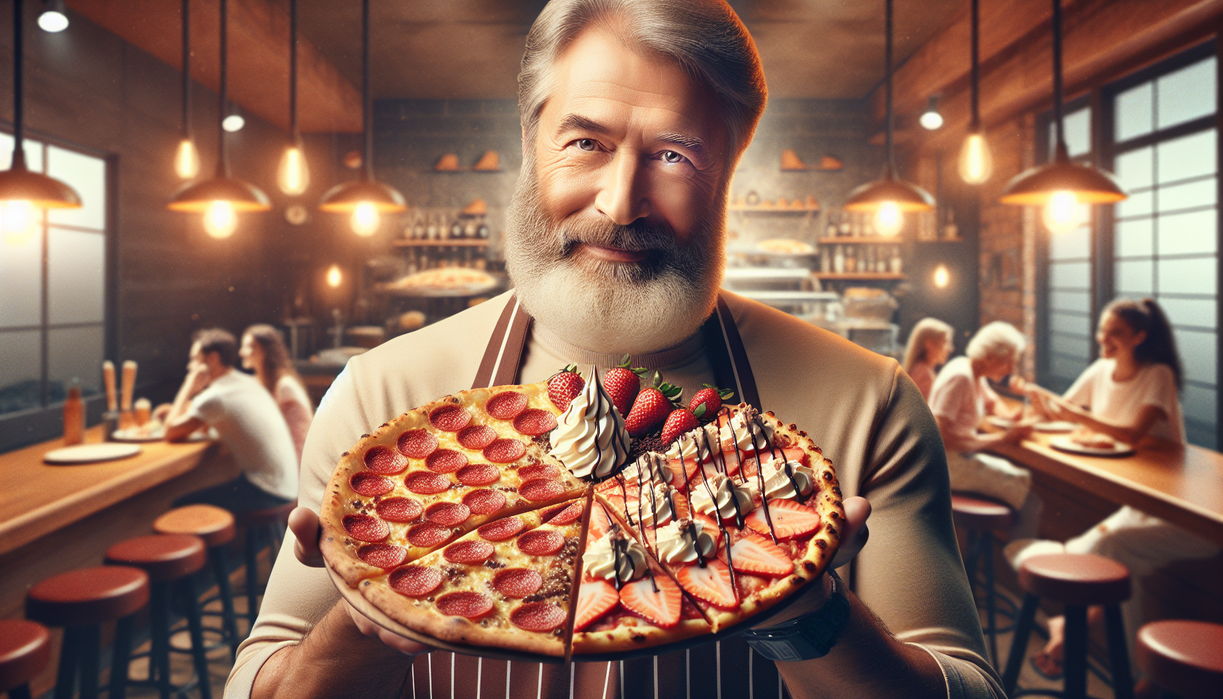
www.insiteatlanta.com – In the small city of Spearfish, a curious culinary experiment is unfolding, framed by a playful content context that blurs boundaries between courses. At People’s Pizza, owner Roger Riley invites guests to rethink routine habits by promising dinner and dessert combined on a single, surprising pie.
This creative content context goes beyond a simple novelty topping or one-off gimmick. It aims to reshape how customers experience flavor, timing, and even conversation around a shared table. By stacking sweet and savory elements into one unified dish, the new pizza parlor challenges the old rule that dessert must arrive at the end.
The Rise of a New Content Context in Spearfish
The phrase content context usually belongs to marketing decks or social media strategy, not to hot ovens in a Main Street kitchen. Yet People’s Pizza has turned this concept into something you can actually eat. Every pie becomes a story about order, surprise, and how people choose to move through a meal. Customers encounter an experience that feels curated instead of random, guided instead of improvised.
Roger Riley recognizes that Spearfish diners bring expectations shaped by decades of predictable courses. Salad first, main course next, dessert much later. By flipping this script through a bold content context, he taps into curiosity. The pizza arrives as a complete narrative arc on a plate. A single slice may begin with smoky cheese and savory meats, then end with caramelized fruit or a drizzle of chocolate near the crust.
From my perspective, that shift from linear eating to layered eating matters more than a simple menu tweak. It changes how people talk throughout the meal because they must negotiate each bite. Friends argue, laugh, test sections of the pizza, compare impressions. The content context evolves from a private decision by the chef into a shared social puzzle at the table, which is exactly what independent restaurants need to stand out.
How Dinner and Dessert Coexist on One Pizza
So how does this unusual content context actually work on the plate? Imagine a pizza divided by design rather than by chance. One section highlights familiar comfort: stretchy mozzarella, local sausage, roasted vegetables. Then the layout gently transitions into lighter, sweeter notes. The sauce grows less tangy, the toppings shift toward fruit, perhaps mascarpone, maybe a dusting of cinnamon.
Unlike a half-and-half order, this arrangement is not a strict dividing line. Riley’s approach relies on gradual flavor blending. A single slice may cross that boundary, beginning with tomato and basil, finishing with pear and honey near the crust edge. The content context reveals itself as you eat, telling a story in stages instead of in chapters with hard stops.
In my assessment, this technique respects both sides of the equation. The savory portion remains satisfying, not overshadowed by sugar. Meanwhile, the dessert component avoids becoming cloying because it must coexist with traces of herbs, salt, or gentle smoke. This balance reflects a thoughtful content context, where creativity aligns with real-world appetite rather than chasing spectacle only for social media attention.
Why This Content Context Could Redefine Local Dining
Looking ahead, Spearfish’s experimental pizza may hint at a broader shift for independent eateries that embrace content context as a guiding principle, not just a buzzword. When a single dish collapses dinner and dessert into one experience, it encourages chefs to think like editors, trimming clutter from menus while crafting tighter, more coherent narratives. As a diner, I find that approach refreshing. It respects time, reduces decision fatigue, and invites more focused conversation around the table. Whether this concept spreads beyond People’s Pizza or remains a beloved local quirk, it highlights a simple truth: meals feel more memorable when every bite participates in a larger story.