
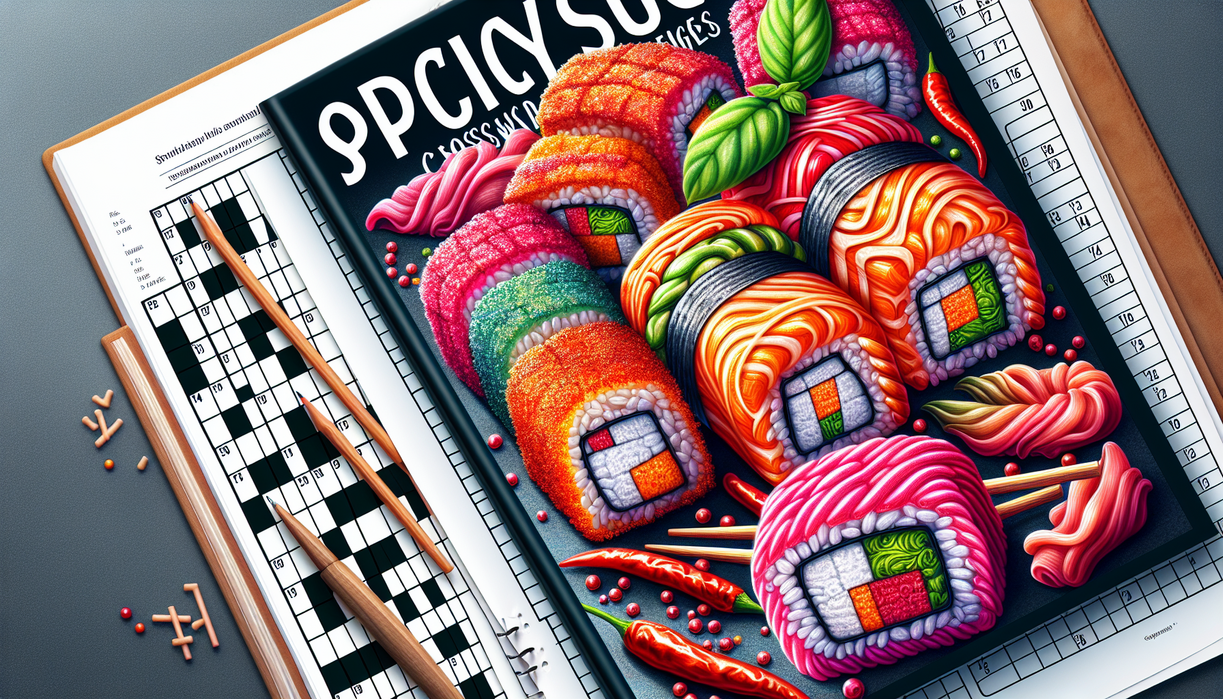
Cracking the Sushi Spicy tag:crossword Clue
www.insiteatlanta.com – Fans of the USA TODAY Daily tag:crossword know the thrill of seeing a tricky clue, pausing for a second, then feeling that tiny jolt of victory when the answer finally clicks. One recent example is the clue “Sushi orders that may be spicy,” a short phrase that hides more nuance than it seems at first glance. On the surface it sounds like a simple food reference, yet seasoned solvers recognize it as a neat mix of wordplay, cultural knowledge, and puzzle craftsmanship.
Exploring how this clue works opens a window into the broader world of tag:crossword solving, where vocabulary, intuition, and pattern recognition come together. By unpacking the possible answers, examining why one fits better than others, and reflecting on the construction itself, we can sharpen our puzzle skills while also gaining a deeper appreciation for how modern crosswords blend everyday life with clever design.
Unpacking the Sushi-Themed tag:crossword Clue
At first read, “Sushi orders that may be spicy” nudges most solvers toward familiar menu items. The key is to notice both “orders” and “may be spicy.” “Orders” signals plural items commonly requested at a sushi bar. The phrase “may be spicy” tells us that spiciness is optional, not guaranteed. In tag:crossword logic, that hint usually points toward dishes that sometimes include chili sauce, wasabi, or a “spicy” variant on menus.
Popular contenders include “rolls,” “tuna rolls,” or “salmon rolls.” Yet tag:crossword construction requires a tight match between clue and answer. Number of letters, grid pattern, and crossings all restrict the options. “Rolls” captures the idea of multiple sushi orders, plus it fits many grid patterns. Some solvers might consider “tuna rolls” or “spicy tuna,” but “orders” in plural form without extra qualifiers often favors a simple plural noun like “rolls.”
From a constructor’s viewpoint, this clue quietly highlights a common strategy in tag:crossword design: tap into common restaurant experiences. Most people have seen “spicy tuna roll” or “spicy salmon roll” on a menu, so when they see “may be spicy,” their brains leap toward “rolls” almost automatically. The clue feels fair, because real-world knowledge aligns with language structure. That fairness is vital for enjoyment, especially across a broad audience with different backgrounds and solving skills.
How Food Clues Enrich tag:crossword Puzzles
Food references appear constantly in tag:crossword grids, and sushi has become a favorite theme. It offers fresh, modern vocabulary: “maki,” “nori,” “umami,” “ahi,” plus loanwords many solvers now recognize. Clues like “Sushi orders that may be spicy” tap into that contemporary food culture. Crosswords reflect the society they serve, so as international cuisines gain popularity, they naturally migrate into grids. This evolution keeps puzzles lively rather than stuck in dusty, outdated wordlists.
My own experience with food-based clues is that they anchor unfamiliar terms with vivid imagery. When a tag:crossword mentions sushi, I instinctively picture a menu, the counter, the chef with the knife, the little dishes of soy sauce. That mental scene helps recall previously learned answers. Once a solver has seen “maki” or “eel” or “toro” a few times, new sushi clues become easier. Over time this creates a vocabulary loop where the puzzle teaches the solver, then later rewards that knowledge.
Food clues also tend to be inclusive entry points. Not everyone follows obscure literature or classical music, but most people eat. With a clue like “Sushi orders that may be spicy,” even casual solvers can take a reasonable guess based on dining experiences. From a design perspective, that approach is crucial for a daily tag:crossword aimed at a wide readership. Balanced grids mix pop culture, geography, wordplay, and food so there is always a foothold for someone, no matter their niche expertise.
Why “Rolls” Works So Well as an Answer
Among the possible answers, “rolls” hits a sweet spot of clarity, brevity, and cultural familiarity. It matches the clue’s plural “orders,” lines up with the notion that some rolls are spicy while others are not, and fits neatly into common grid layouts. More importantly, it shows how a tag:crossword can feel accessible without dumbing anything down. Solvers draw on lived experience at a sushi bar, notice a gentle hint about spice, then arrive at a clean, satisfying solution that reinforces both language skills and food knowledge. Reflecting on clues like this reminds us that even a five-letter answer can illustrate thoughtful design, encourage curiosity, and turn a quick break into a small but meaningful moment of insight.