
Spice, Memory, and Food from Bukharian Roots
www.insiteatlanta.com – Food can feel like a time machine, yet it sits quietly on our tables. For Bukharian Jews, richly spiced food does more than satisfy hunger; it carries songs, stories, journeys from Central Asia to new homes across oceans. When I open a worn family notebook or a modern cookbook such as Lillian Cordell’s “Miriam’s Table,” I do not just see ingredient lists. I see a map of survival, exile, celebration, and stubborn joy, all translated into simmering pots and fragrant plates.
My own encounters with Bukharian Jewish food began with aroma rather than history books. The first time I tasted plov crowned with soft carrots and slow-cooked meat, the air shimmered with cumin, coriander, and garlic. Only later did I understand how dishes like this preserve the world of our grandparents. Cookbooks that lovingly record these recipes help ensure more than good meals. They help descendants rebuild a sense of self around something concrete, warm, and deeply human: food.
Food as a Bridge to Bukharian Jewish Memory
For many Bukharian Jews, written recipes arrived late. Earlier generations relied on memory, taste, and repetition around shared stoves. Food knowledge passed from mother to child through watching, listening, correcting salt levels by instinct. When families left cities such as Bukhara, Samarkand, or Tashkent, they often carried little besides a few utensils plus recipes held in their minds. Cookbooks like “Miriam’s Table” turn that fragile oral chain into durable print, offering younger cooks a path back to kitchens they never physically knew.
Food traditions from Central Asian Jewish homes reveal a rare blend of influences. Silk Road caravans once moved through these regions, bringing spices, dried fruit, rice, and nuts. Over centuries, Muslim neighbors, Persian merchants, and Russian authorities shaped markets and seasons. Bukharian Jews responded by absorbing flavors while maintaining their own rhythm of Shabbat, holidays, and kosher practice. When a modern reader flips through a Bukharian cookbook, each dish reflects that layered story. It becomes possible to taste history instead of simply reading it.
Food also acts as a gentle teacher for younger generations who may feel distant from ancestral languages or religious practice. A teenager uninterested in synagogue might still love rolling flaky samsa or folding thin manti. While fingers learn to pinch dough correctly, conversations open about grandparents, migration, forgotten courtyards. The recipe becomes an invitation, not a lecture. I often find that one successful dish can spark a curiosity session more powerful than any formal class on heritage.
Spice-Filled Food as Cultural Archive
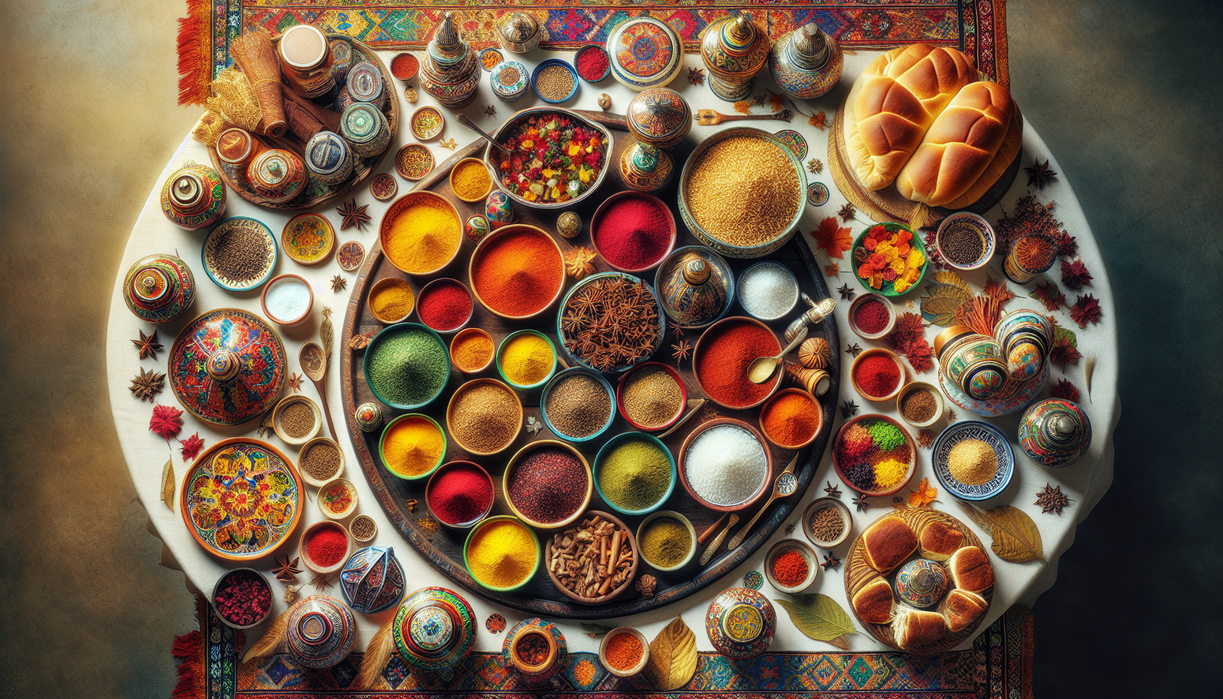
Consider the role of spices in Bukharian Jewish food. Cumin, coriander, turmeric, barberries, and sometimes saffron form a base palette. These flavors do more than please the palate; they mark continuity across continents. A family who left Tashkent for Queens might switch markets, ovens, even languages. Yet that first bloom of cumin hitting hot oil remains familiar. Cookbooks help standardize quantities for modern cooks; still, the emotional weight of those scents cannot be fully measured with teaspoons.
Many heritage cookbooks, including Cordell’s work, function as cultural archives disguised as food manuals. A recipe for osh-savo or bakhsh does not stand alone; it usually arrives with a story about a holiday, a cramped Soviet apartment, or an outdoor tandoor oven. Side notes explain why certain cuts of meat appear, how religious restrictions shaped preparation, or how scarcity encouraged substitution. As a reader, I experience a kind of double nourishment. My appetite meets my curiosity, both fed by the same page.
From a personal perspective, I often approach such books with both admiration and caution. Admiration because authors like Cordell rescue fragile memories. Caution because any single collection can risk freezing a living cuisine. Food evolves through migration, intermarriage, new appliances, supermarket shortcuts. I prefer cookbooks that acknowledge this motion. When an author admits to adjusting oil levels, borrowing a technique from a neighbor, or adapting for electric stoves, the result feels honest. Heritage stays alive through flexibility, not fossilization.
Cooking Food Today: Honoring Roots, Embracing Change
Modern cooks who explore Bukharian Jewish food find themselves standing at a crossroads. On one side lies a powerful desire to preserve flavor profiles grandparents would recognize; on the other side stands daily life with limited time, smaller kitchens, and global influences from sushi to tacos. My own approach leans toward respectful experimentation. I keep key spices, slow-cooking where possible, communal serving for Shabbat or gatherings. Yet I accept helpful innovations: pressure cookers for stews, whole grains for health, plant-based tweaks when needed. The essential goal stays constant. Each pot of plov or tray of samsa should carry a whisper from Bukhara’s alleys into today’s dining rooms. Through that humble act, food continues to hold memory, identity, and quiet resilience.