
Narberth-Restaurants Rise With Bold New Flavors
www.insiteatlanta.com – Narberth-restaurants have always punched above their weight, yet the neighborhood’s latest arrivals signal a fresh surge of culinary energy. With Lassan Indian Traditional and Malooga both opening new spots in recent months, this compact Main Line town is quickly turning into a small but serious destination for diners who crave character as much as flavor. For a community already proud of its walkable streets and independent shops, the expansion of its food scene feels less like a trend and more like a turning point.
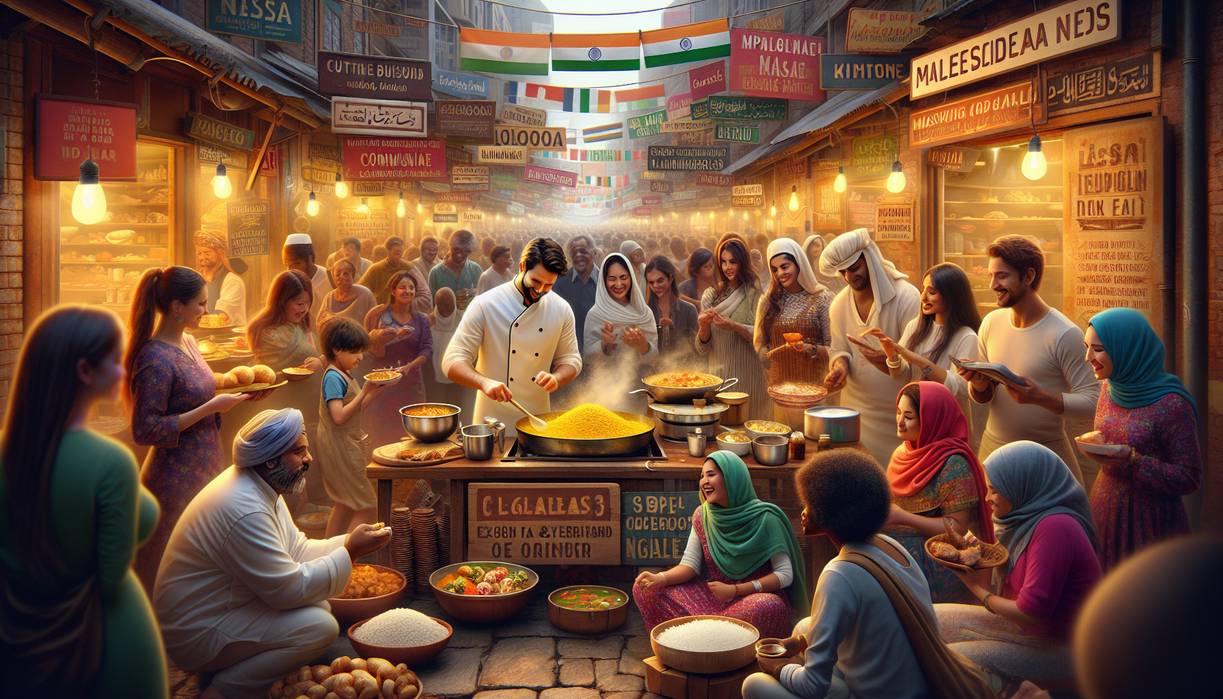
These two additions highlight how narberth-restaurants are evolving beyond familiar comfort food toward a richer global mix. Lassan leans into classic Indian recipes with a refined touch, while Malooga introduces the depth of Yemeni cuisine to local tables. Together, they capture a mood of momentum: a sense that Narberth is ready to embrace bolder tastes without losing its village charm. As someone who follows restaurant neighborhoods closely, I see this as a sign that Narberth is entering its most interesting dining chapter yet.
Narberth-Restaurants Enter a New Era
The opening of Lassan Indian Traditional and Malooga reveals how narberth-restaurants are shifting from “nice to have” to true regional contenders. Just a few years ago, many people associated Narberth with a handful of dependable neighborhood spots. Today, food-focused visitors can plan an evening around multiple choices, from casual staples to more adventurous concepts. When a small downtown begins to support varied international kitchens, it usually means the community’s appetite, both literal and cultural, has matured.
Momentum in a restaurant district rarely comes from one big, splashy opening; it grows through several thoughtful additions that complement each other. Lassan brings a polished Indian experience that still feels approachable on a weeknight, while Malooga adds smoky, slow-cooked Yemeni dishes rarely seen on suburban menus. Together they help narberth-restaurants stand out from surrounding towns, inviting diners to explore new flavors without leaving the Main Line corridor.
From my perspective, the most exciting part is the subtle shift in identity. Narberth once felt like a pleasant stop between larger dining hubs such as Ardmore and Center City Philadelphia. Now, conversations about where to eat increasingly include narberth-restaurants as a primary option rather than a backup. That psychological change matters. When locals start saying, “Let’s go to Narberth for dinner” instead of “We’ll grab something there if we have to,” the foundation for a lasting culinary scene is in place.
Lassan Indian Traditional: Classic Roots, Refined Touch
Lassan Indian Traditional represents a thoughtful evolution for narberth-restaurants by delivering Indian cuisine that honors tradition yet feels tailored to modern Main Line tastes. Instead of chasing gimmicks, the concept leans on time-tested curries, tandoor specialties, and regional recipes with careful seasoning. For many residents, this might be their first regular exposure to dishes beyond the typical tikka masala, which can gently broaden palates without overwhelming them. A well-executed Indian restaurant often becomes a weekly staple, not just an occasional splurge.
What sets Lassan apart, at least from an observer’s standpoint, is its balance between comfort and discovery. Familiar favorites likely sit alongside less common options, so a cautious diner and an adventurous friend can share a table happily. That dynamic strengthens narberth-restaurants overall, because it proves that nuanced global cooking can succeed in a tight-knit suburb. Once locals trust one international concept, they become far more open to the next, creating a ripple effect across the neighborhood.
There is also a cultural dimension that goes beyond flavor. When a town welcomes a serious Indian kitchen into its core, it quietly signals that diversity is not just tolerated but appreciated. I’ve seen other communities change as new cuisines arrive: conversations at tables begin to include food histories, spice traditions, and travel stories. If Lassan follows that pattern, it will do more than serve naan and korma; it will help narberth-restaurants become a shared classroom where neighbors learn about each other through what they eat.
Malooga and the Wider Future of Narberth-Restaurants
Malooga’s arrival introduces Yemeni fare to the mix, stretching the definition of what narberth-restaurants can be. Slow-braised meats, richly spiced stews, and fragrant breads bring a different rhythm to local dining, one built on long-cooked depth rather than quick, flashy plates. Combined with Lassan, Malooga suggests a future where Narberth’s dining map features multiple continents within a few blocks. From my vantage point, the real story is not just two new openings but the direction they point: toward a town willing to support independent, globally minded operators who invest in craft instead of chasing trends. If residents continue to show up, give feedback, and invite friends, Narberth could cement itself as a small-scale culinary hub where authenticity, curiosity, and community intersect in everyday meals.